Industry strategist and photographer
This site documents a series of architectural and spatial studies focused on the relationship between the built environment, human behavior, and emotional well-being. Through conceptual projects, adaptive reuse explorations, and housing prototypes, it examines how material choices, light, and spatial restraint can shape more calm, dignified, and resilient ways of living in contemporary cities.
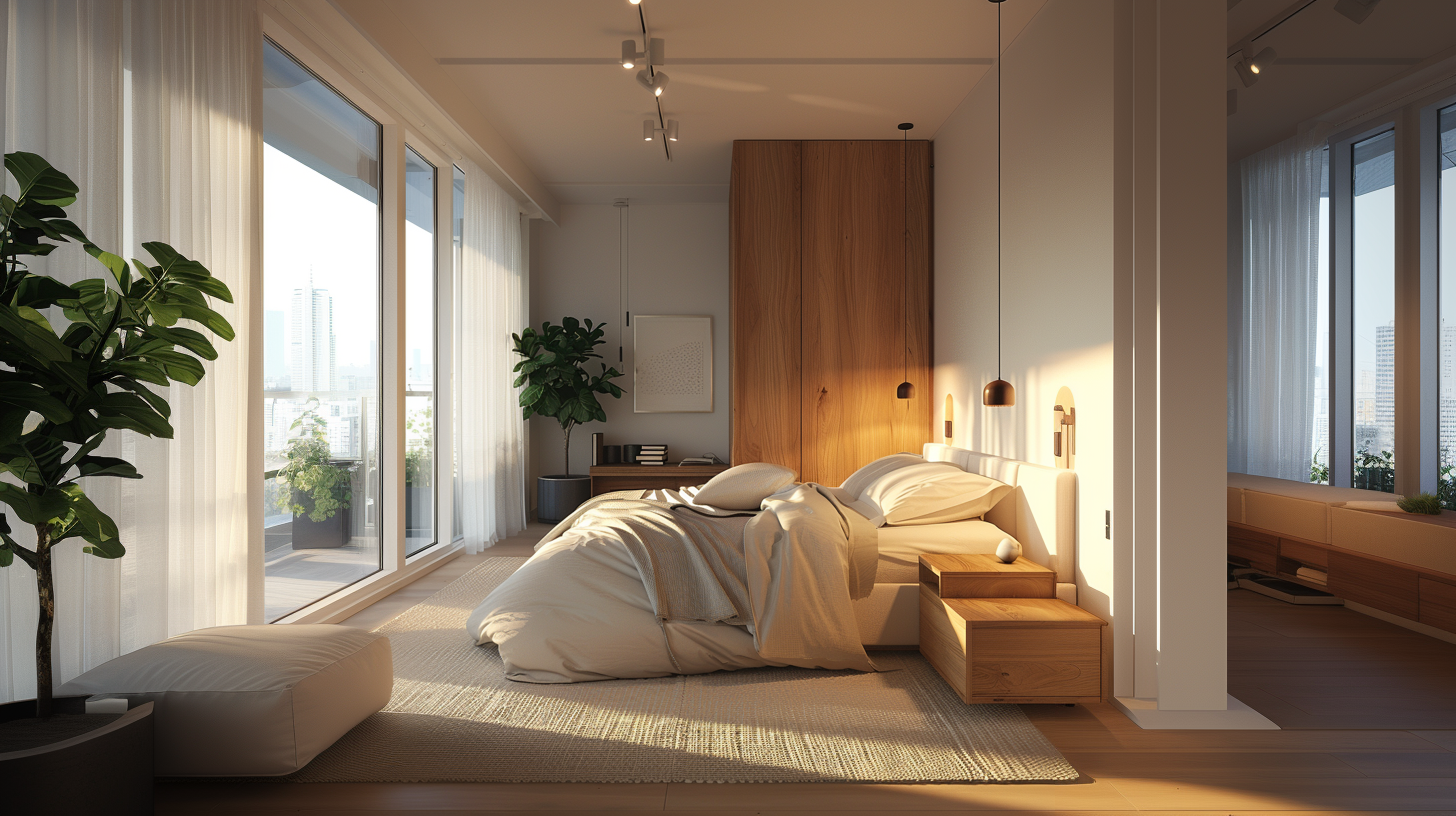
Have you ever wondered why you can spend all day tired and yet feel wired at night? Or why you toss and turn even after a long day? It’s not your mattress or caffeine — it’s your lighting.
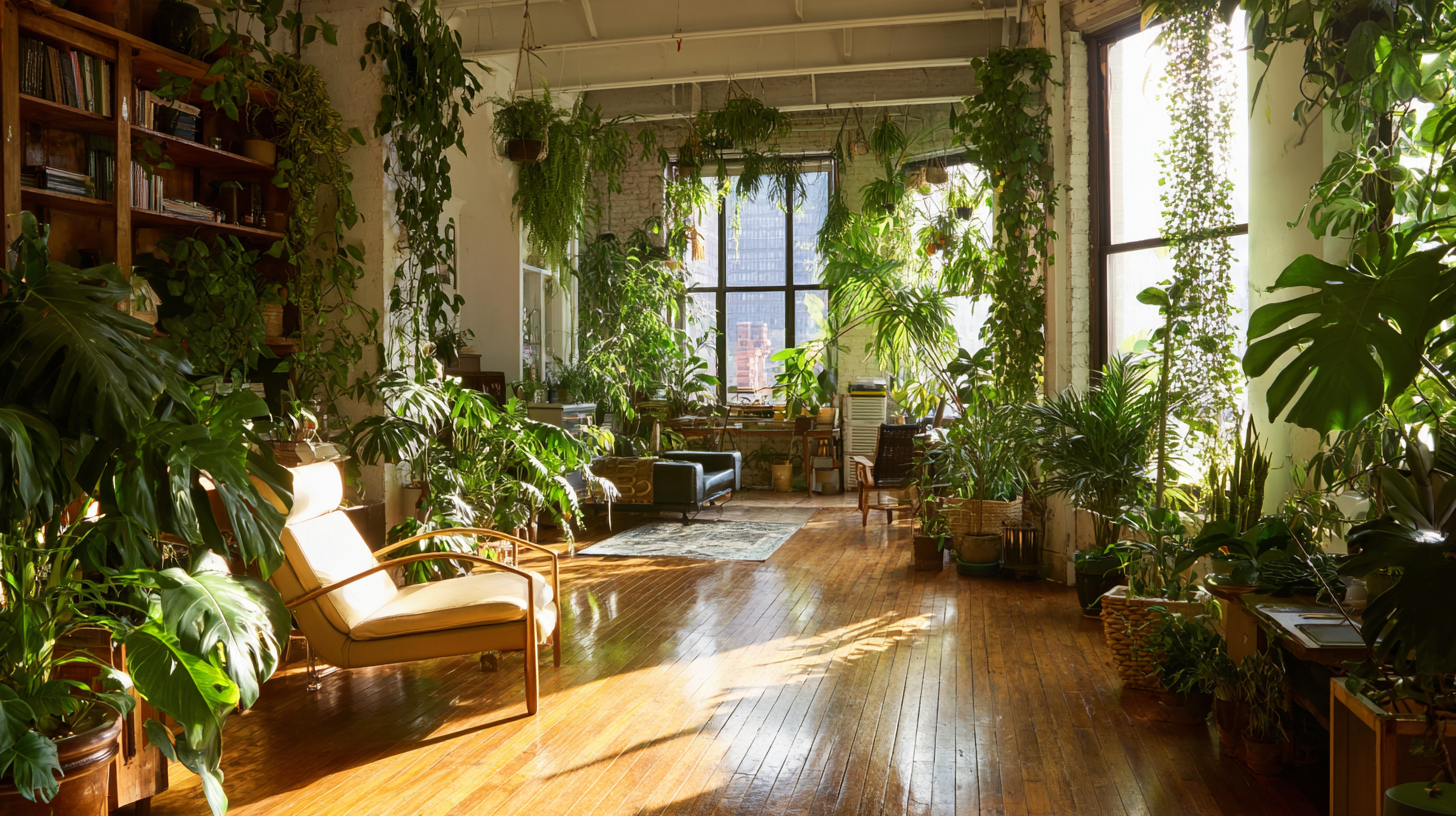
Nature as a Blueprint: 5 Ways to Lower Cortisol with Indoor Greenery
You wake up tired.
You sit at your desk.
Emails start piling up.
By 3 p.m., your jaw is tight, your shoulders are tense, and you can’t explain why.
Your home looks “fine.”
Your office looks “modern.”
Minimal. Neutral. Efficient.
But something is missing.
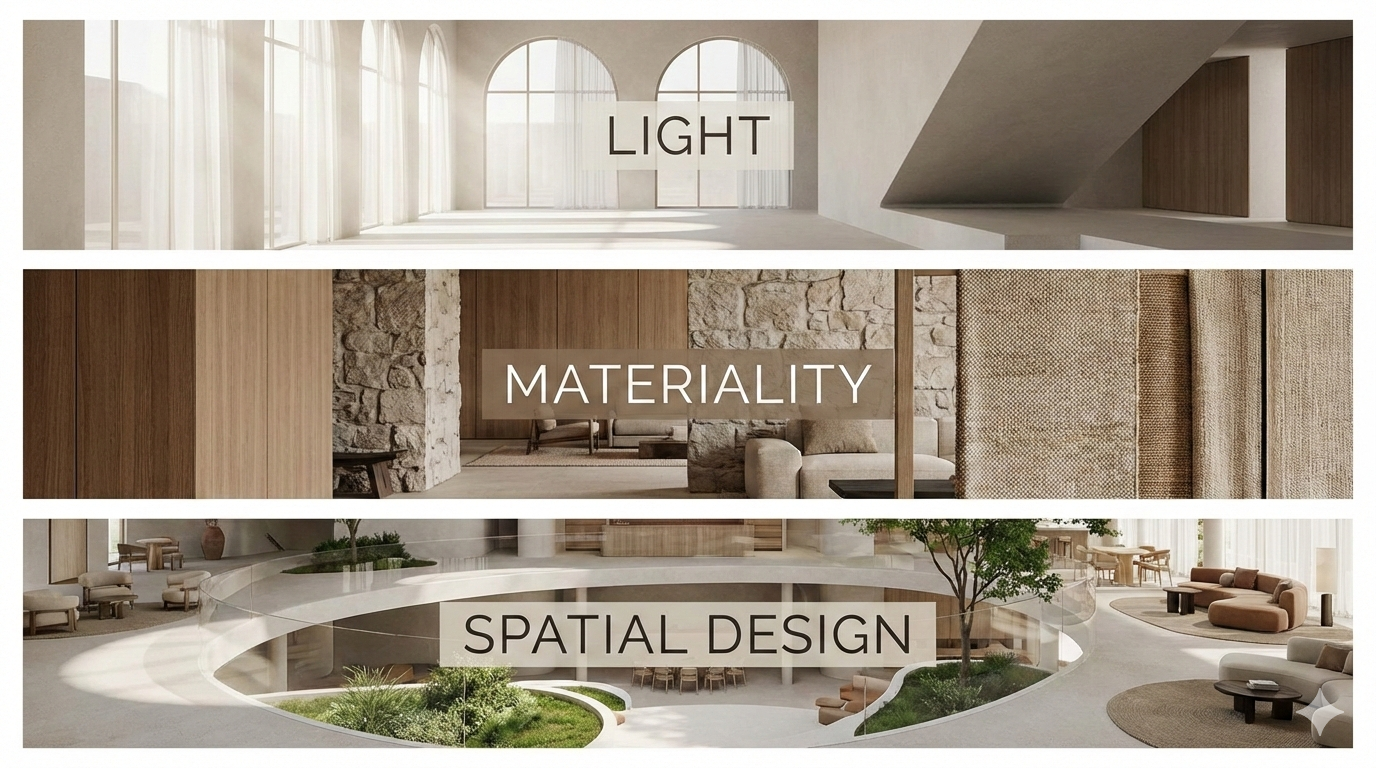
Architecture and Emotional Well-Being: How Space Shapes the Human Mind
How architecture influences emotional well-being through light, materiality, and spatial design. Exploring the psychology of space in contemporary architecture.
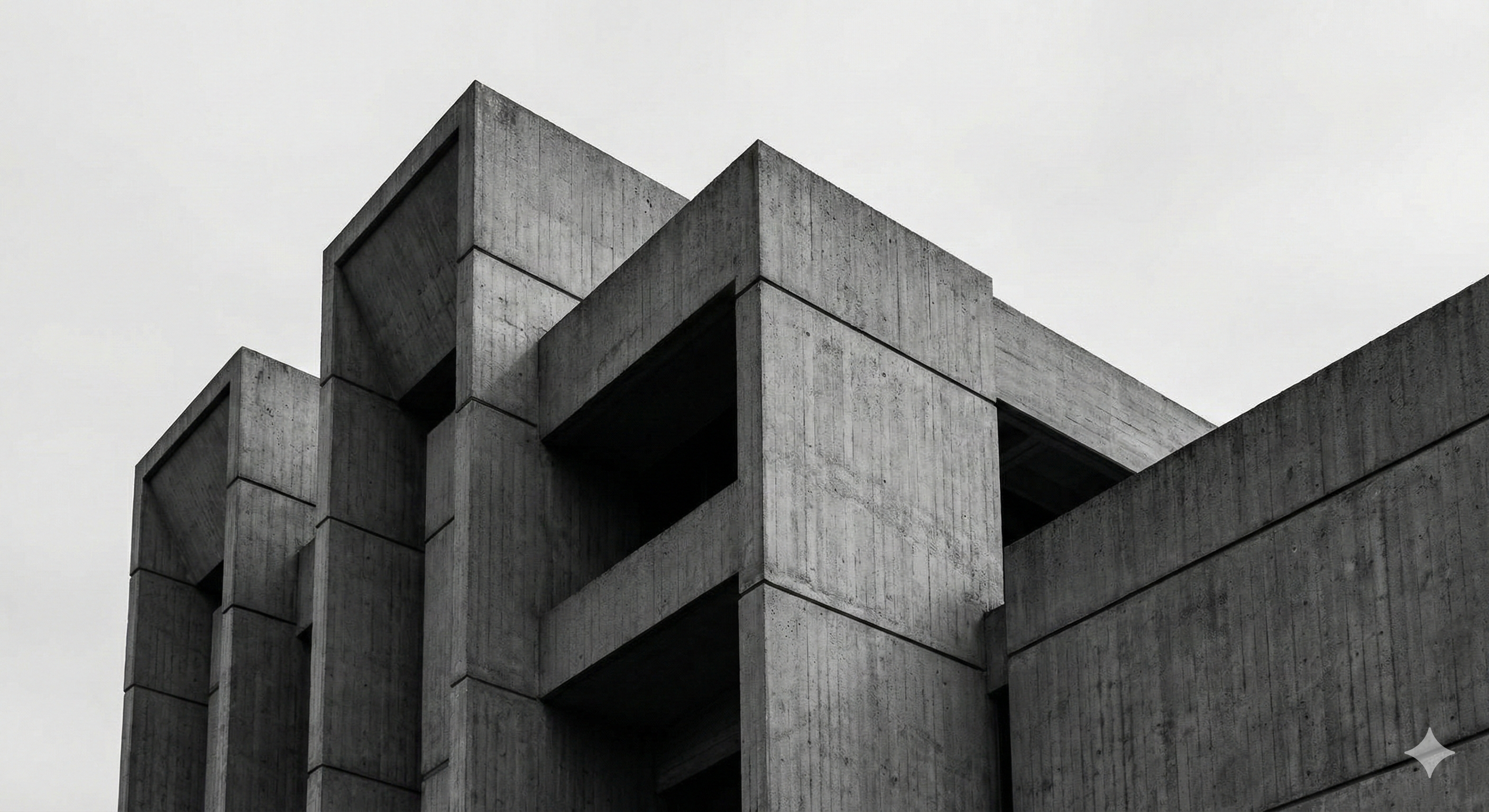
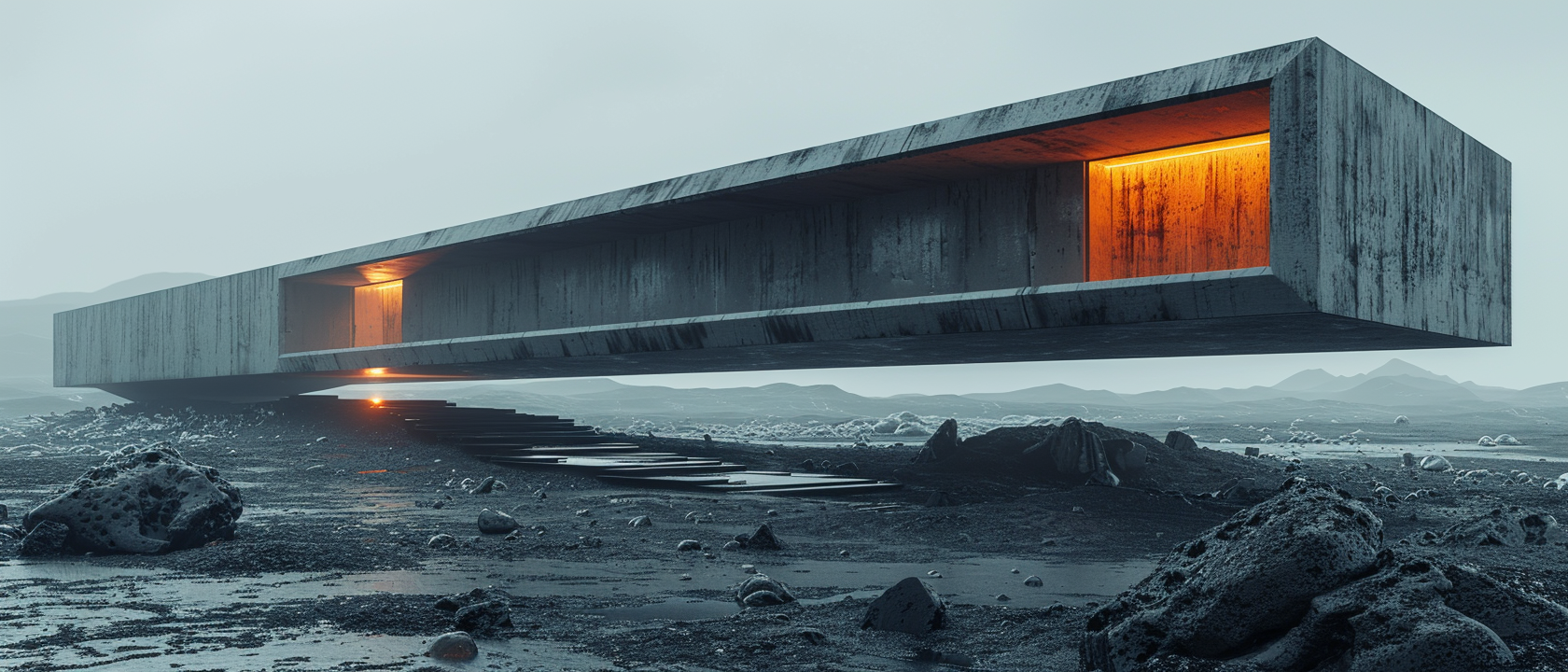
The Ataraxia Pavilion is a conceptual architectural study exploring how physical space influences mental state. Rooted in the Stoic concept of Ataraxia—a state of serene calmness and untroubled mind—this structure is designed as a secular retreat for modern introspection.
By stripping away the non-essential, the design utilizes raw industrial materials (concrete, weathered steel, glass) to create a dialogue between the permanent and the ephemeral. The space forces the occupant to confront the present moment, using light and shadow as the primary dynamic elements.
The Ataraxia Pavilion | A Stoic Retreat
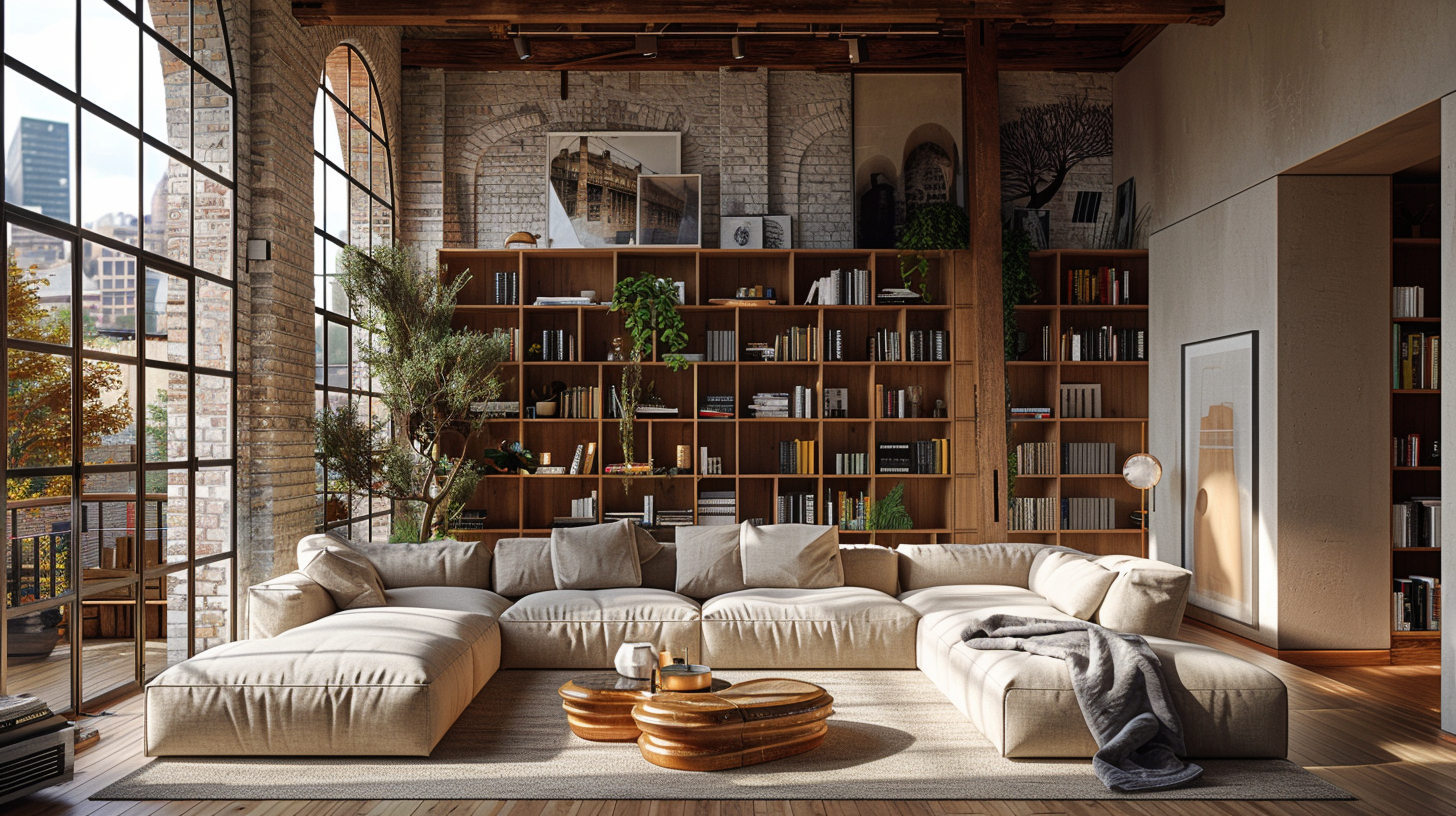
The Kintsugi Loft | Adaptive Reuse
The Kintsugi Loft is a residential renovation project that transforms an abandoned manufacturing warehouse into a functional, multi-generational family home.
Inspired by the Japanese art of Kintsugi—repairing broken pottery with gold lacquer to highlight the cracks rather than hide them—this architectural intervention does not conceal the building's industrial past. Instead, the scars of the old concrete and steel structure are celebrated and integrated with warm, biophilic elements. It explores how we can repurpose the "broken" parts of our cities into spaces of healing and flourishing (Eudaimonia).
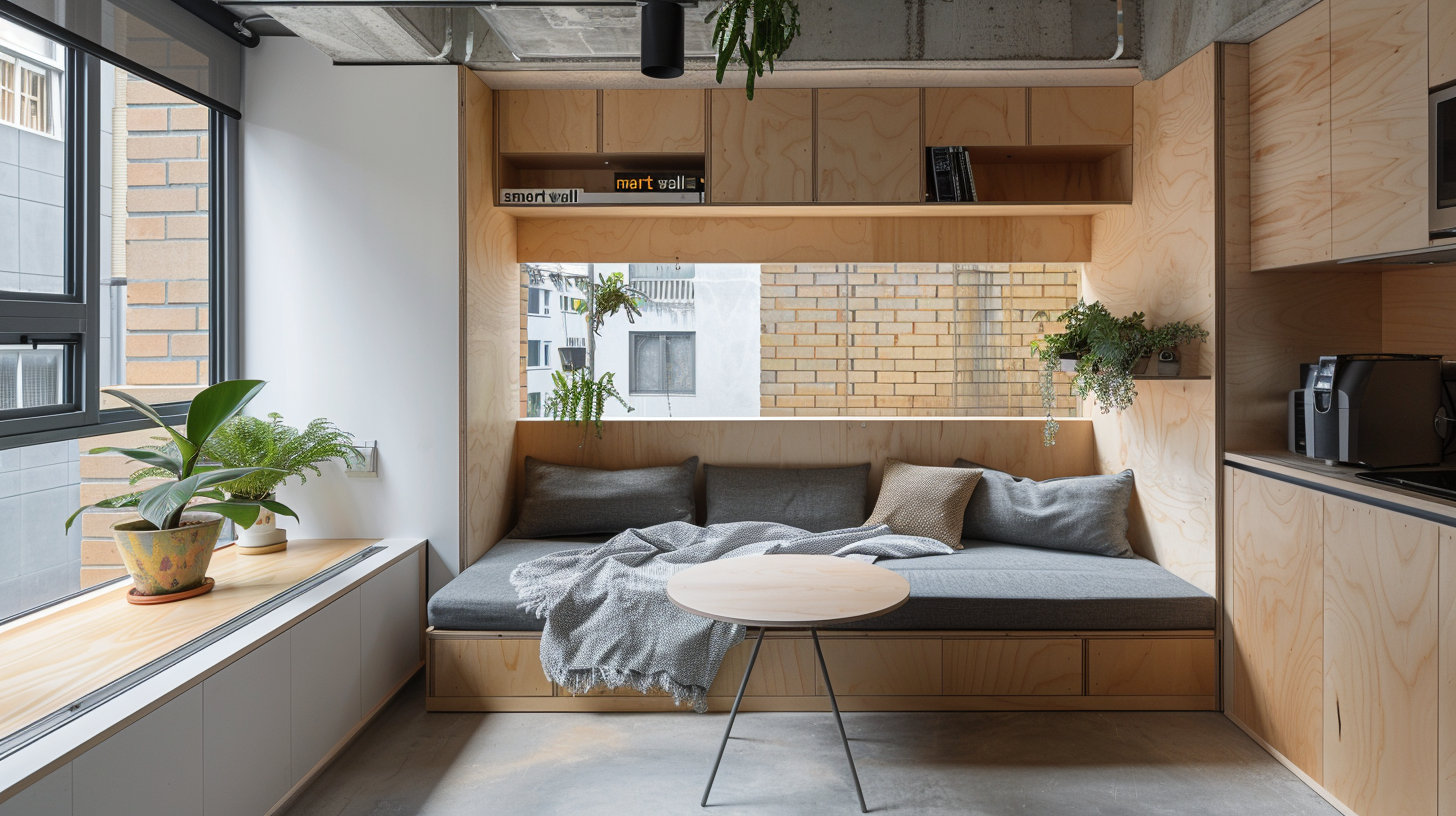
The Essential Home challenges the notion that "affordable" means "cheap." Targeted at the mid-to-lower socioeconomic demographic, this project proposes a scalable housing unit that prioritizes Volume over Area.
By utilizing standard, off-the-shelf materials (plywood, standard brick, concrete) in creative ways, we drastically reduce construction costs. The savings are reinvested into "The Smart Wall"—a custom joinery unit that runs the length of the apartment, hiding 100% of the household clutter, appliances, and storage, leaving the living space permanently open, calm, and dignified.